
Negli anni Sessanta, avevo più o meno 14 anni, frequentavo il Circolo del remo e della vela “Italia” come canottiere jr. grazie alle leve gratuite promosse dalle scuole. Una vitaccia se si pensa agli orari e alla fatica, ma a me piaceva il canottaggio, mi permetteva di stare a contatto con il mare da sempre l’elemento che mi affascinava e mi attraeva. Con ogni probabilità non sarei riuscito, e oggi non riuscirei, a vivere in un luogo senza il mare.
Come dicevo frequentavo il Circolo “Italia” e lo frequentai fino all’età della maturità, alla soglia del passaggio da canottiere jr. a sr., quando di fatto avrei dovuto effettuare una scelta: per continuare a frequentarlo senza dover pagare una tassa di iscrizione sarei dovuto passare al settore agonistico e per quanto mi piacesse quello sport di certo non poteva rappresentare il mio futuro. Fu così che la prima mattina da mancato canottiere feci le stesse cose dei giorni precedenti. Come ogni mattina a quei tempi scesi di casa che era ancora buio. Chiusi alle mie spalle il portoncino del palazzo e sotto la debole luce dei lampioni stradali, soffocata e resa velata dall’umidità dell’alba, mi avviai per la solita strada. Percorsi il Supportico e poi la Solitaria, tutta, fino in fondo dove poi svoltai per il Pallonetto di Santa Lucia.
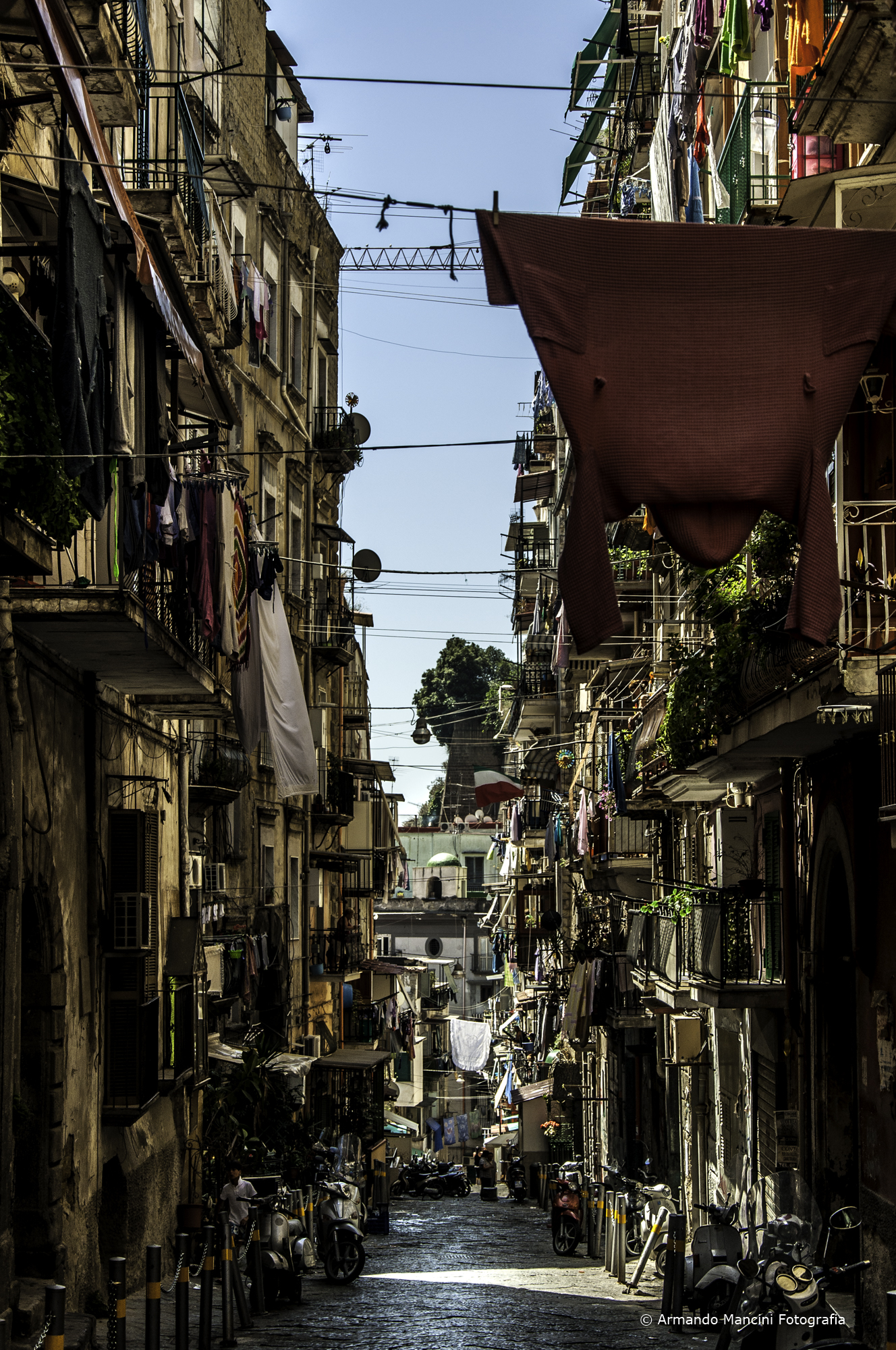
A quell’ora molti dei bassi e delle botteghe che superavo erano già in attività: la baccaleria era illuminata e don Pasquale con il suo grembiule di incerata e i suoi zoccolacci di legno già preparava le vasche per immergervi lo stoccafisso o i grandi filetti di mussillo o di baccalà che poi avrebbe venduto a tranci o a “scelle”; don Ferdinando, invece, era appena arrivato con la sua Fiat 500 Belvedere e stava tirando su la saracinesca della sua piccola bottega di calzolaio dove riparava le scarpe di tutto il quartiere o fabbricava, su misura, quelle per piedi un po’ difficili e nei momenti morti, grazie al suo veicolo, faceva trasporti ed accompagnamenti su commissione. La nostra famiglia, ad esempio, lo prenotava ad agosto per trasferire le masserizie necessarie per la villeggiatura. Un viaggio ogni anno da Napoli a Sorrento ed alla fine di agosto ovviamente il ritorno. Ancora un po’ più giù e l’odore del pane caldo appena sfornato usciva dalla bottega di Nunziatina, la panettiera: lei, un po’ grassoccia con la bustina bianca in testa sopra i capelli mori sempre in ordine, sistemava i primi pezzi di pane appena sfornato badando a che quelli piccoli, come sfilatini “marsigliesi” o palatelle bianche o panini all’olio, andassero sulle mensole di vetro nella teca sul banco mentre, alle sue spalle, sui ripiani di marmo i pezzi più grossi come palatoni o ciambelle di pane bianco o nero; don Vincenzo, il marito, ancora un po’ imbrattato di farina, faceva la spola dall’interno, dove era sistemato il forno a legna, al banco con la spasella di legno con cui trasportava il pane appena sfornato. Il profumo intenso e avvolgente mi accompagnava per un lungo tratto. Anche Donn Antonio, il fruttivendolo, era in attività e la sua bottega già illuminata. Insieme al figlio Ciro scaricava il motociclo appena giunto dal mercato. Cassette e ceste di frutta e verdura, ancora umide di rugiada, venivano portate all’interno o poste sui banchi obliqui per essere esposte e vendute. A volte mi capitava di trovare don Antonio seduto e chino sulle cassette di mele e prenderle una ad una, esaminarle per scegliere le più belle per poi asciugarle e lustrarle e delicatamente riporle in una cesta di vimini: quelle le vendeva come “ ‘e ‘mmele ‘e Biancaneve”. Lungo la via del Pallonetto molti bassi mostravano l’interno illuminato e qualche ombra si intravedeva attraverso i vetri rigorosamente protetti da tendine, qualche voce trapelava all’esterno come anche il pianto di bambini. In genere solo il basso di Carmela ‘a capera era aperto e fuori già era sistemata la sedia ed il tavolino con lo specchio i pettini e le spazzole: tra poco sarebbe cominciato il suo lavoro, tutte le donne del quartiere amavano farsi pettinare da Carmela, ma non per la sua bravura bensì per quello che poi il termine “capera” ha come significato a Napoli e che bonariamente traduco in pettegola. Carmela era spesso chiamata per i suoi servigi in molte case, anche di famiglie della medio-alta borghesia, e quindi era come se fosse una inviata speciale in un mondo precluso al popolino e pertanto, reale o romanzata, la vita di quelle dimore veniva sviscerata ai suoi clienti del basso e sempre con un alone di mistero o segreto svelato. Mia madre mi diceva che Carmela era chiamata anche in caso di spidocchiamento e questa cosa, solo al pensiero, mi procurava una forma improvvisa di prurito alla testa. Suo marito Gennaro, invece, era barbiere a domicilio, un Figaro dei quartieri, e all’occorrenza praticava anche salassi applicando sanguisughe a chi soffriva di pressione alta. Nella mia adolescenza ricordo di avere assistito una volta al salasso di mio nonno quando avevo poco più di sei anni rimanendone sconvolto. La cosa che accompagnava il mio attraversamento del Pallonetto era il costante profumo del caffè appena fatto. Questo profumo scompariva quando infine, dopo l’ultimo tratto di scale, spuntavo in via Santa Lucia dove il profumo da caldo e aromatico del caffè lasciava il posto a quello salato e fresco del mare e che a mano a mano che mi avvicinavo a via Partenope diventava sempre più intenso e dove si accompagnava alla sua voce dolce e possente allo stesso tempo. Attraversai la strada deserta e mi ritrovai sul marciapiede che lo costeggia.
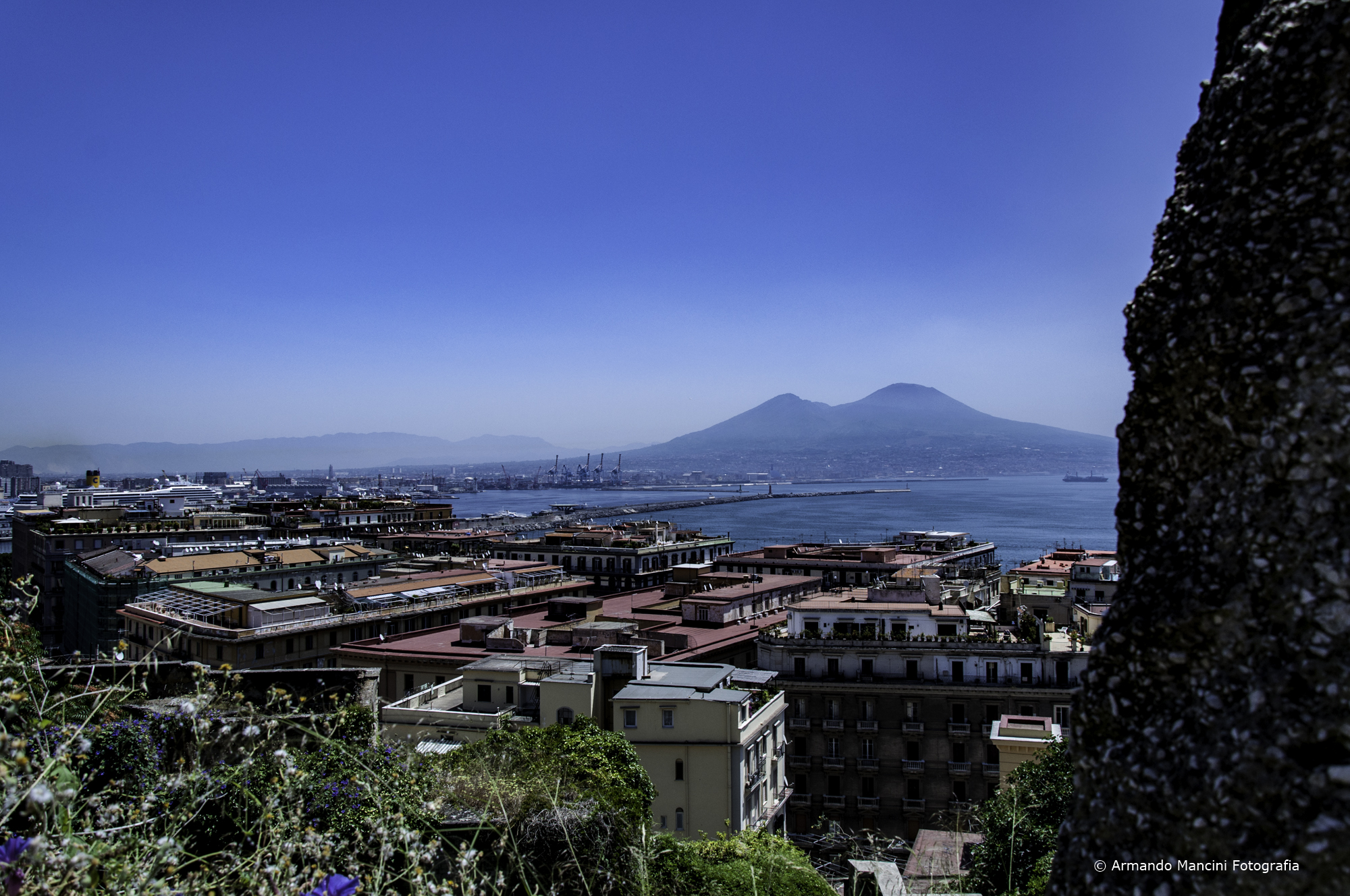
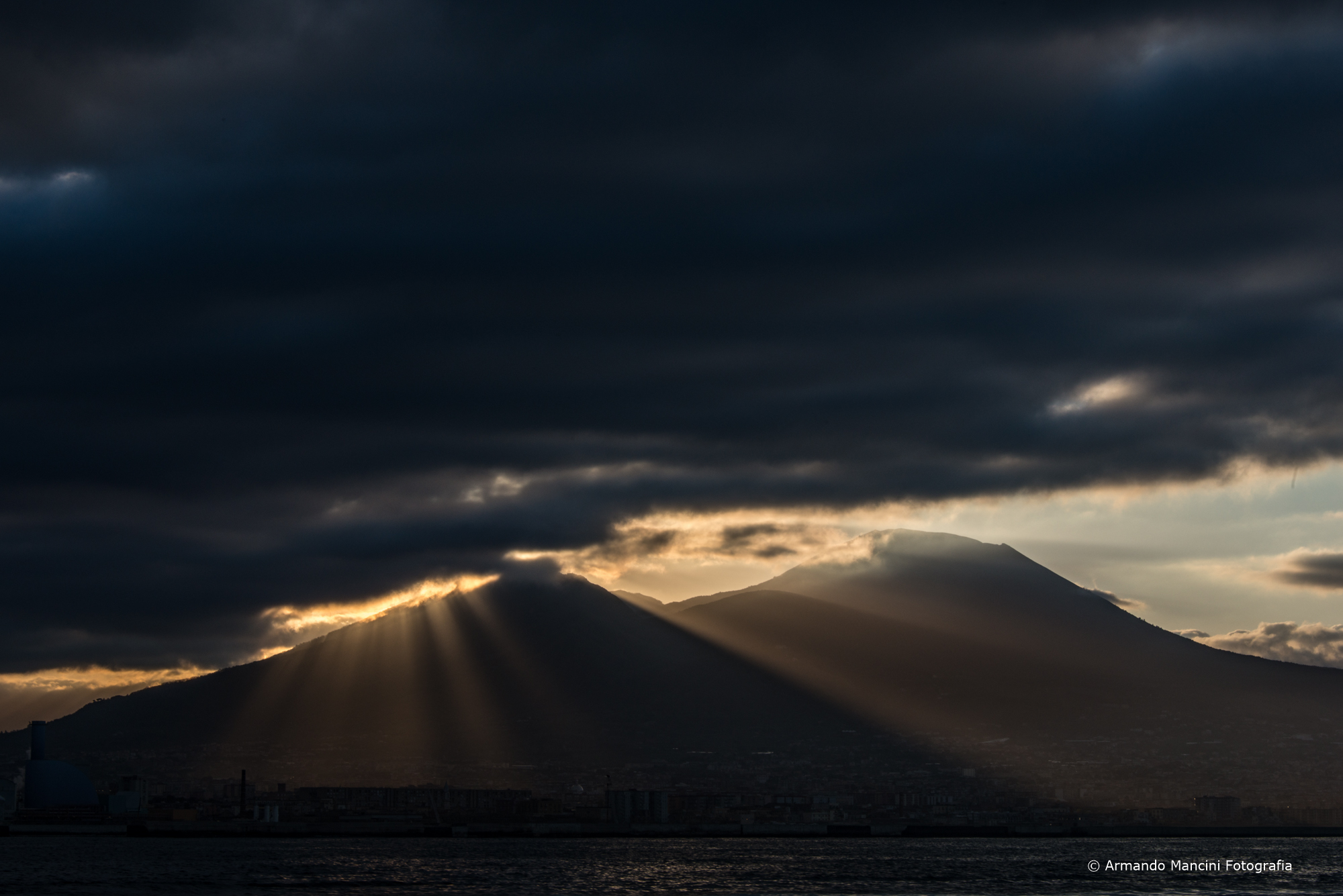
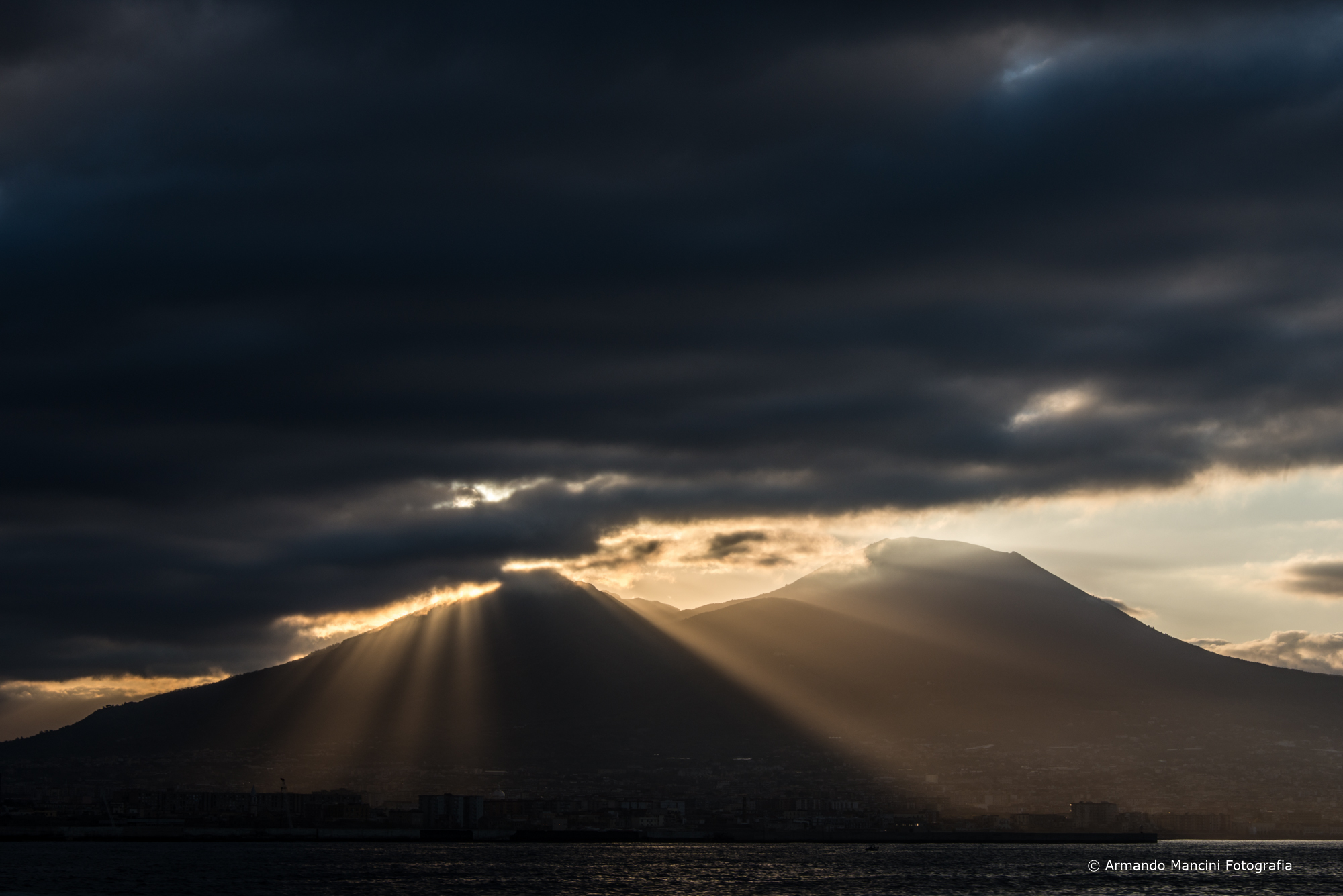
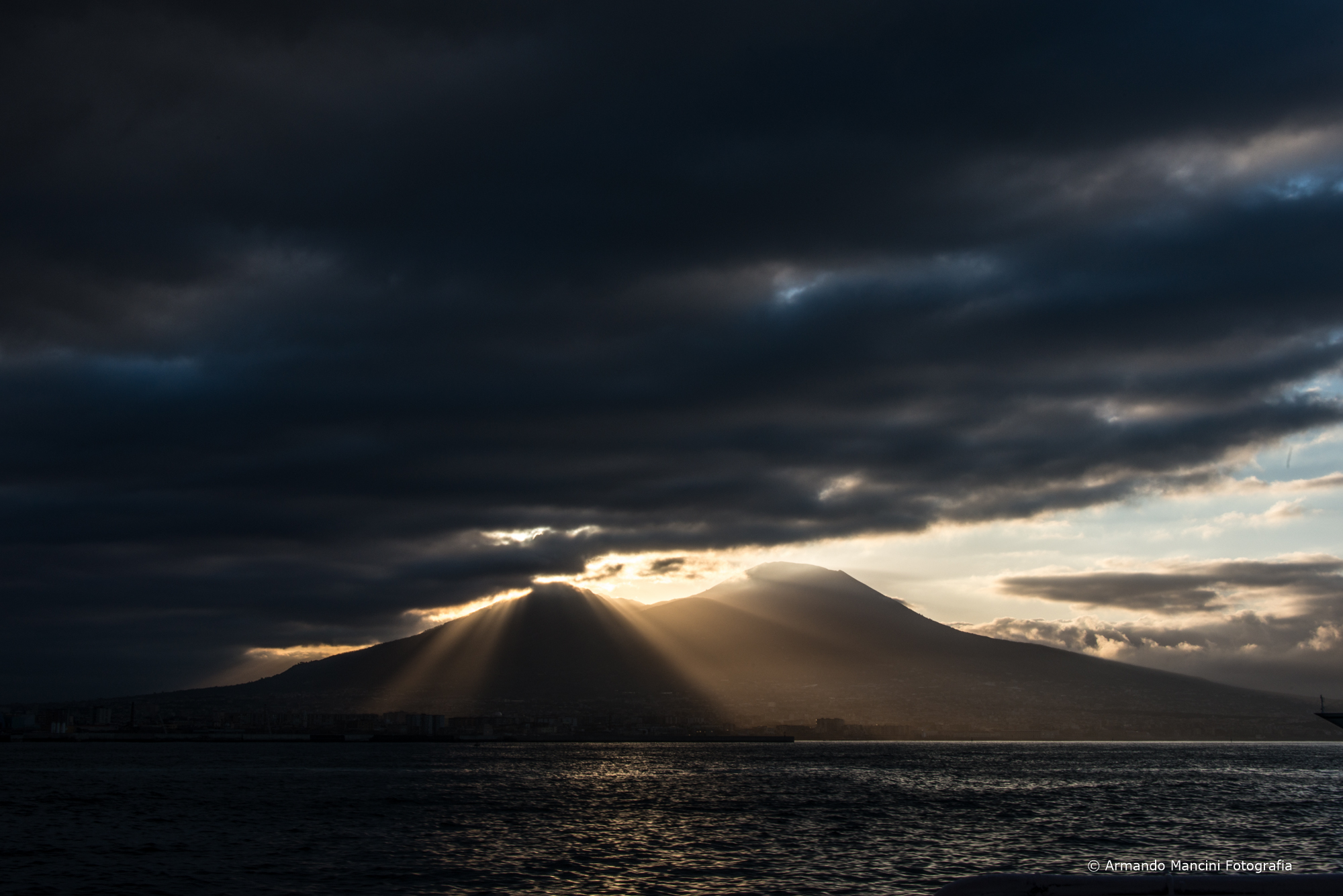
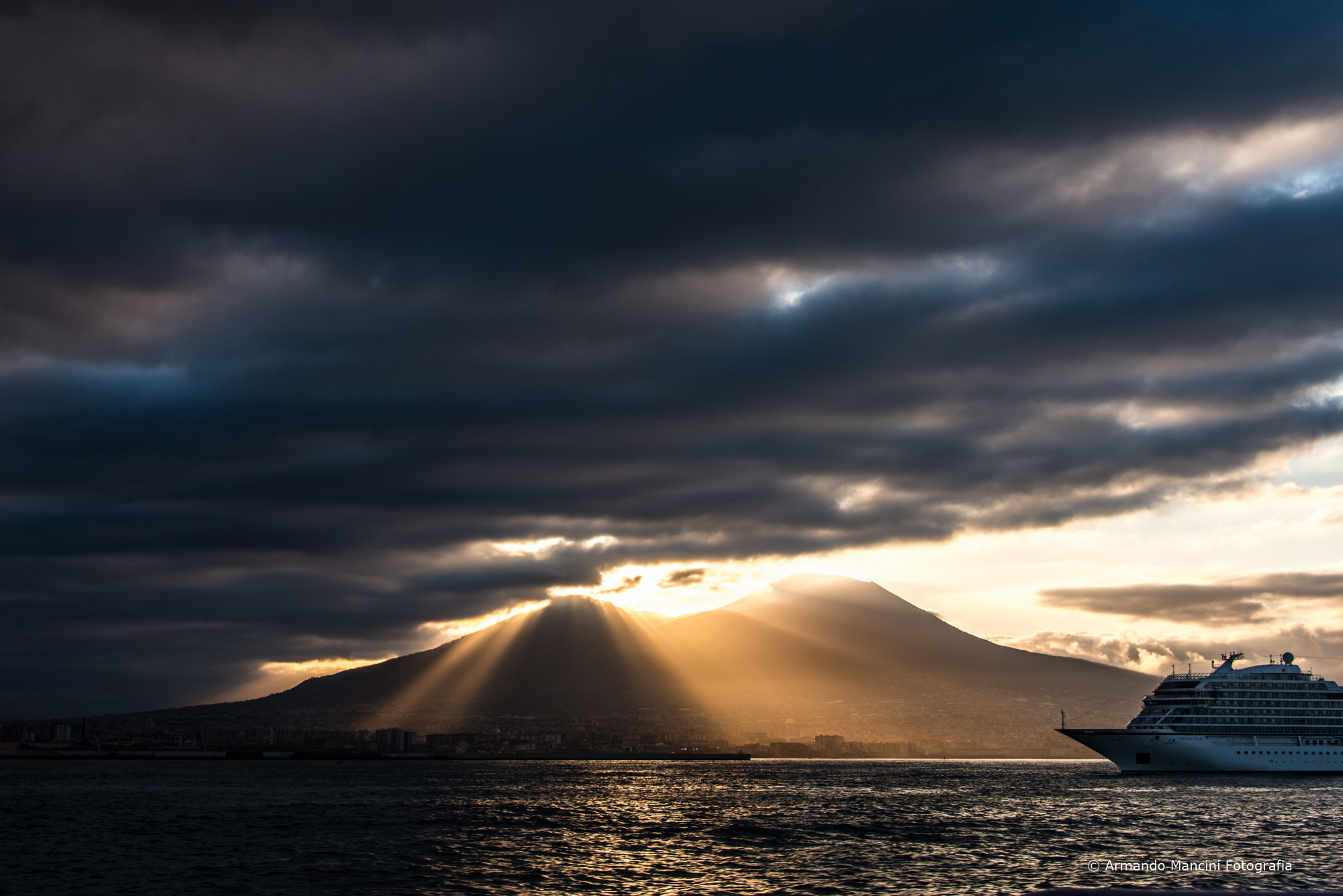
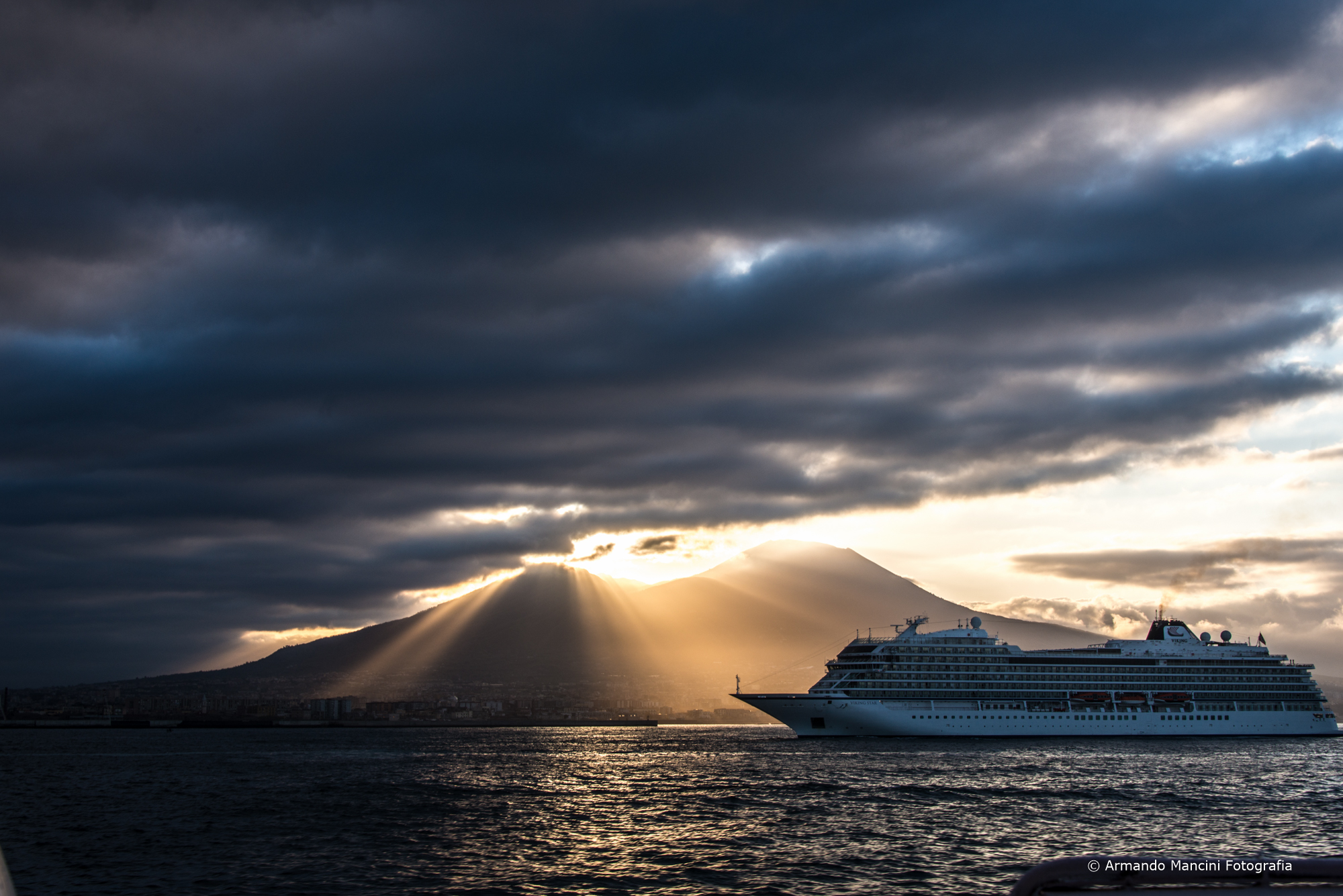
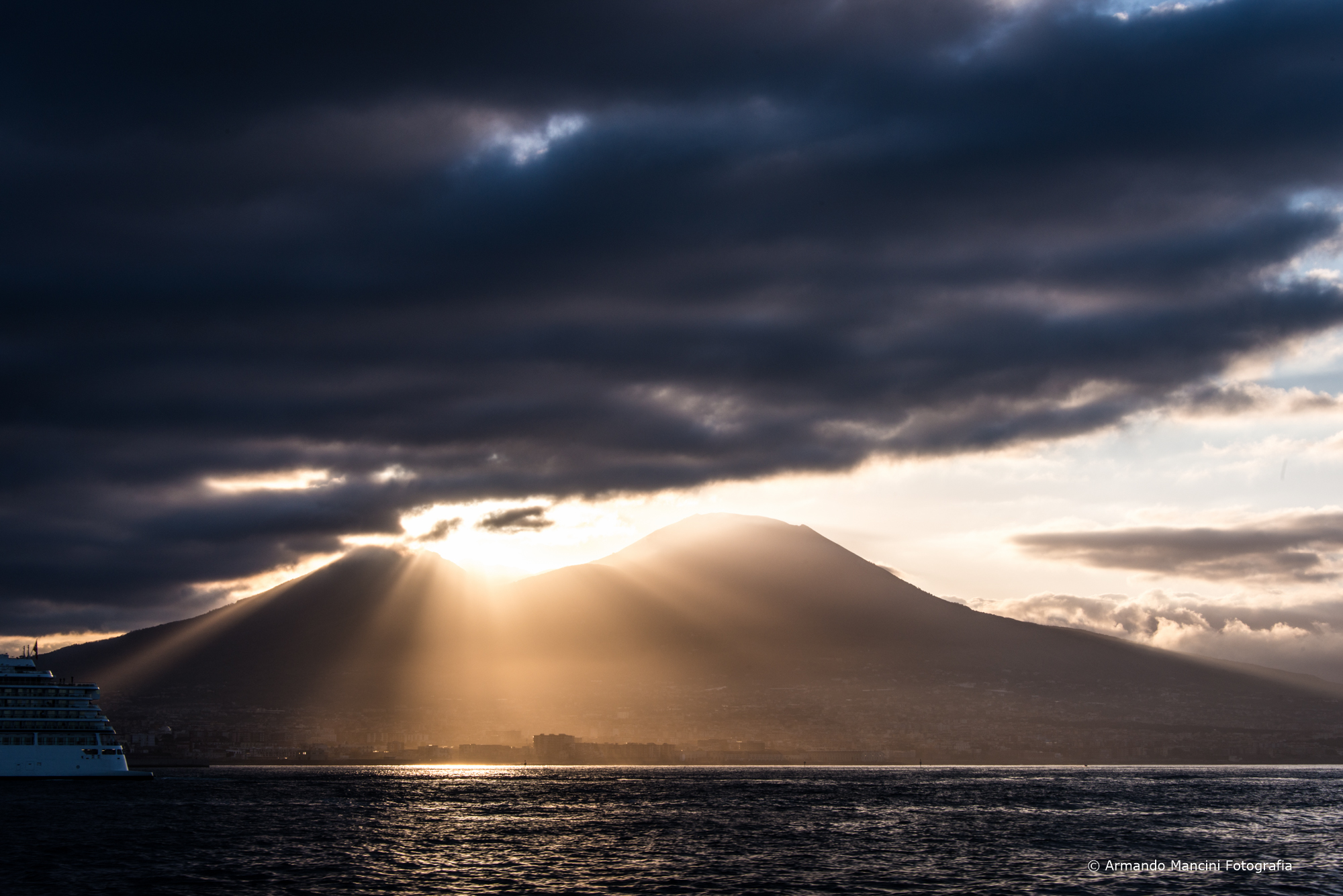
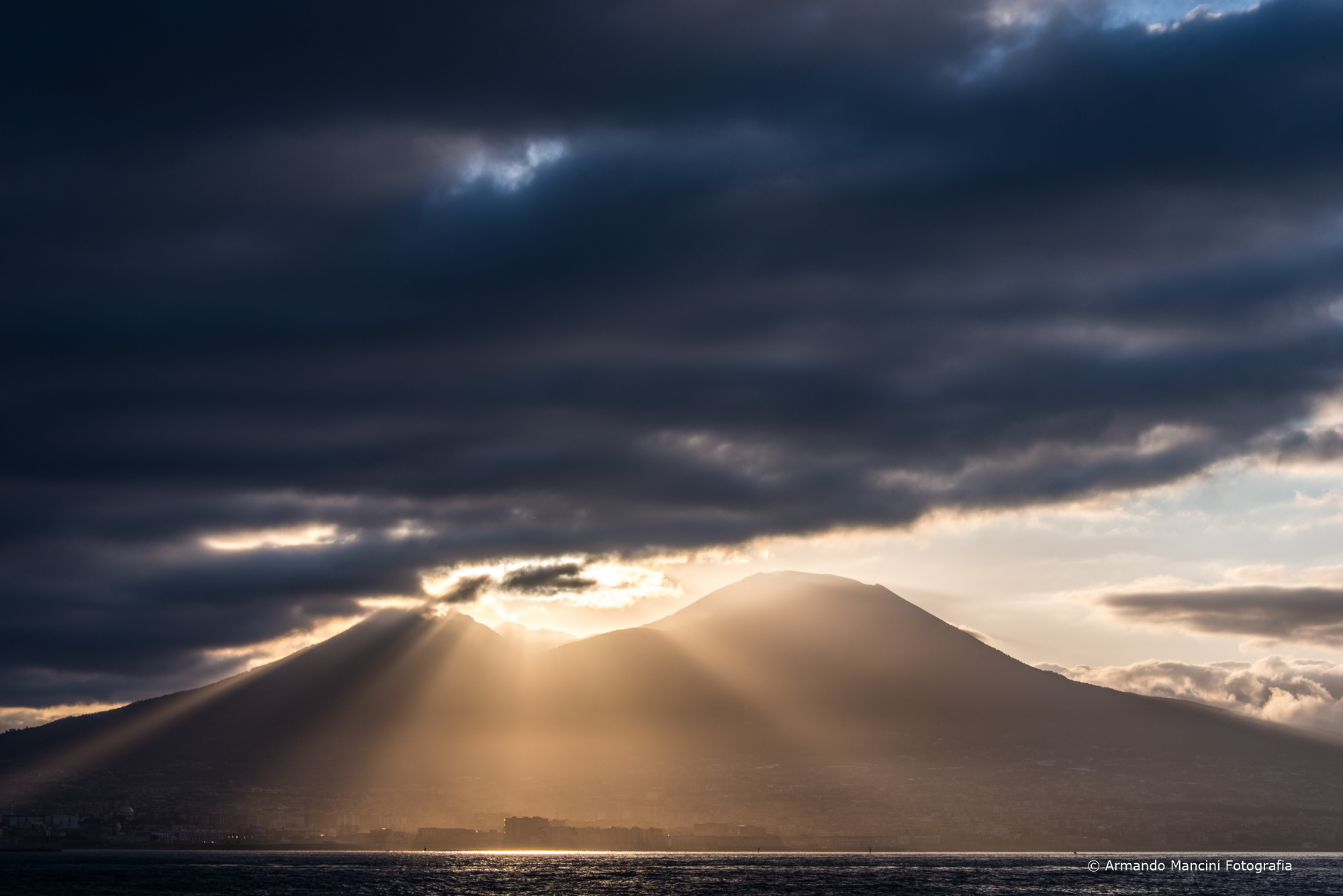
Sentivo le voci dei circoli nautici del Borgo. Allungai il passo e proseguii verso Piazza Vittoria. Quella mattina il mare era buono per la voga, calmo e scalfito solo da una leggera brezza. Si vedevano i primi equipaggi di iole che si avviavano in mare oltre Castel dell’Ovo per la sessione di allenamento in acqua. Alla luce dell’alba apparivano sagome veloci e scure che scivolavano sul mare al ritmo di pagaiate sincronizzate che sollevavano pochissimi spruzzi d’acqua, quasi carezze delicate. La brezza trasportava chiaramente la voce dei timonieri che scandivano i tempi dei colpi in acqua. Era uno spettacolo che in genere avevo vissuto in mare da protagonista, ma non quella mattina che vivevo da spettatore. Le luci stradali si spensero ed il chiarore all’orizzonte sembrò più evidente. Sulla linea dell’orizzonte il Vesuvio, il monte Somma e tutta la costiera. Mi fermai e sedetti sul parapetto della strada. Non potevo perdermi il sorgere del sole proprio lì da dietro il Vesuvio. Che spettacolo. Per raccontarlo lo si dovrebbe dipingere e quella mattina lo dipinsi nel mio cuore, in maniera indelebile. Per sempre avrei portato nei miei ricordi quei colori, per sempre. Dovunque fossi andato o dovunque fossi stato.
English translation
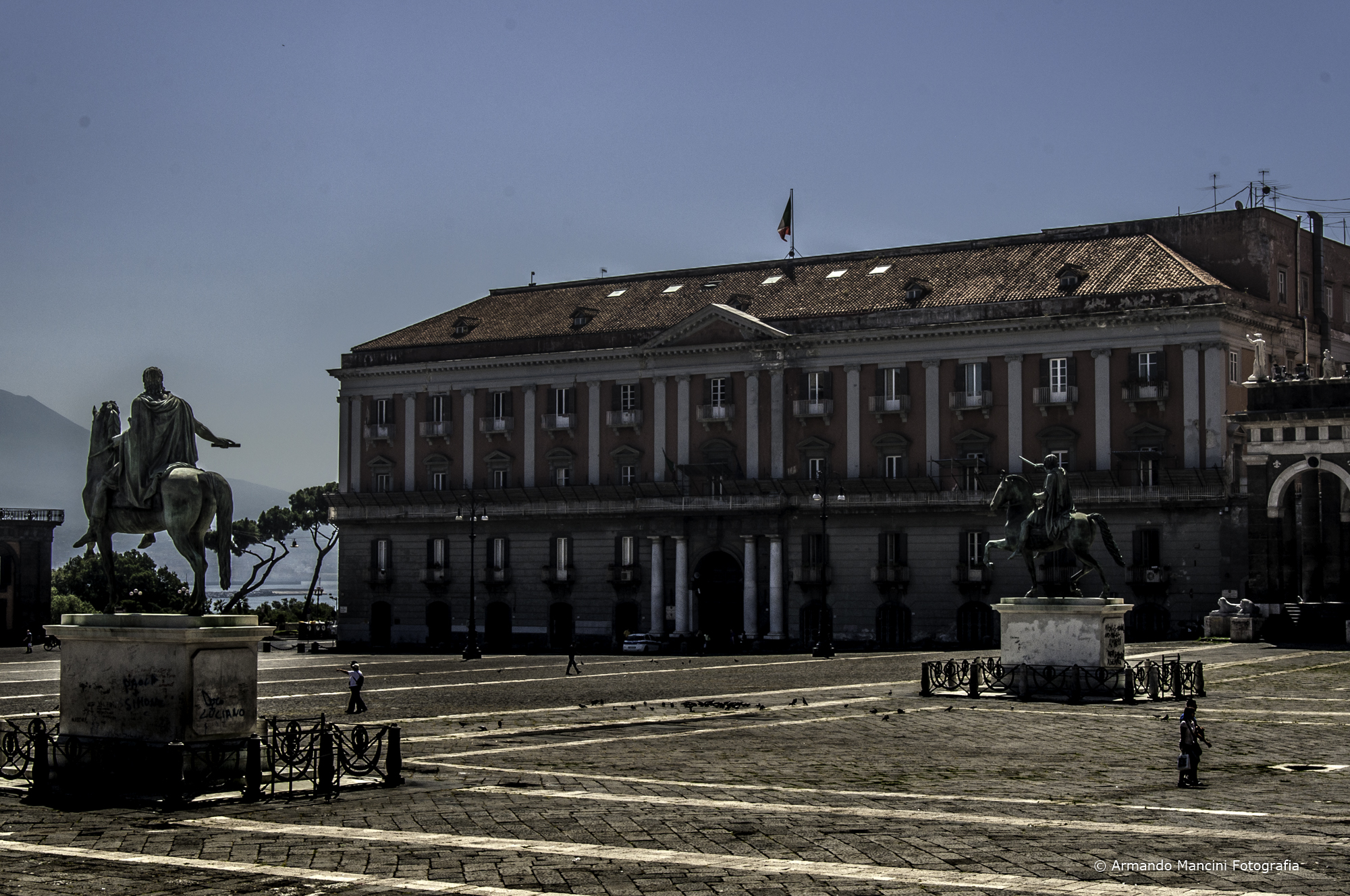
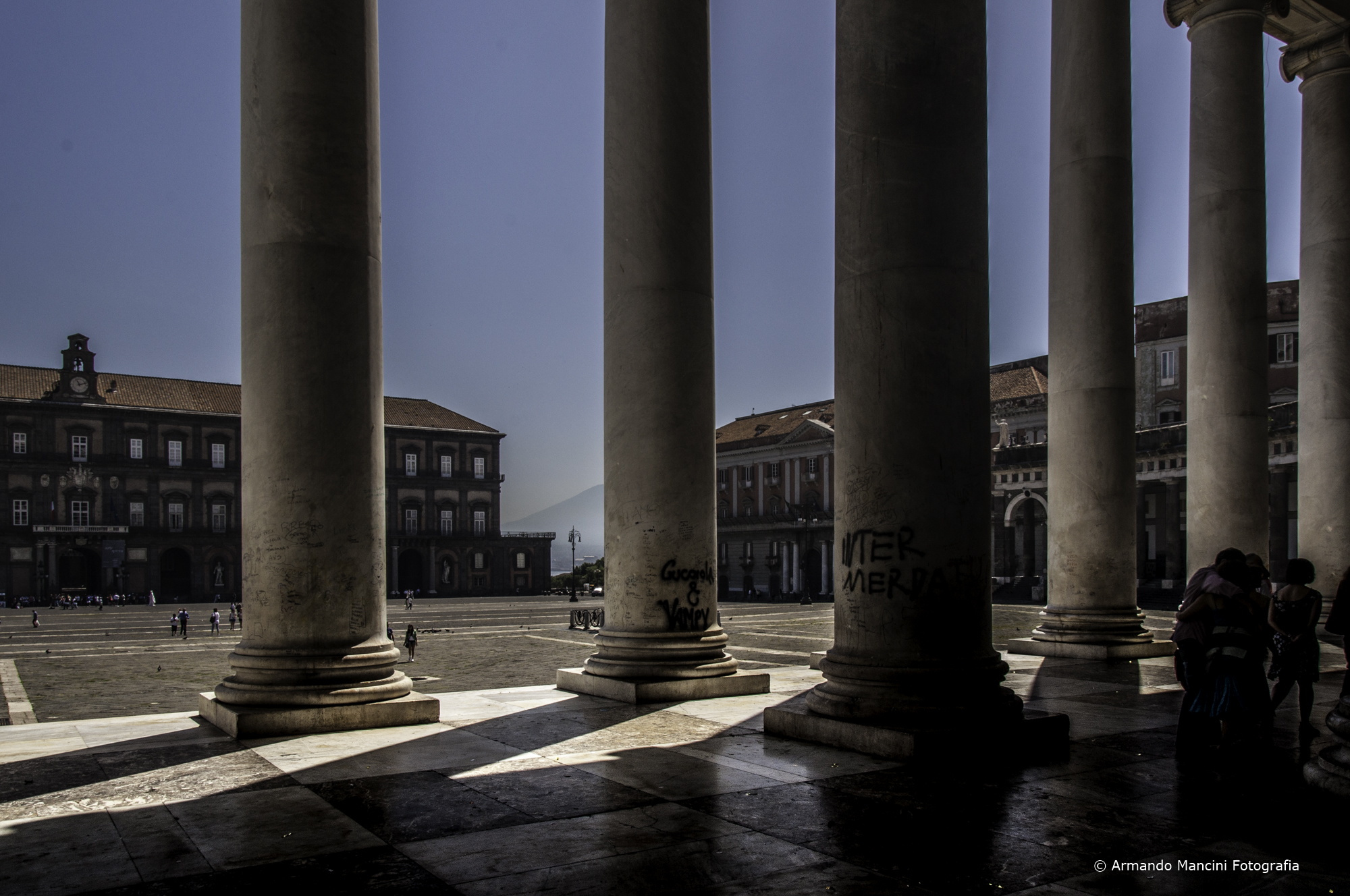
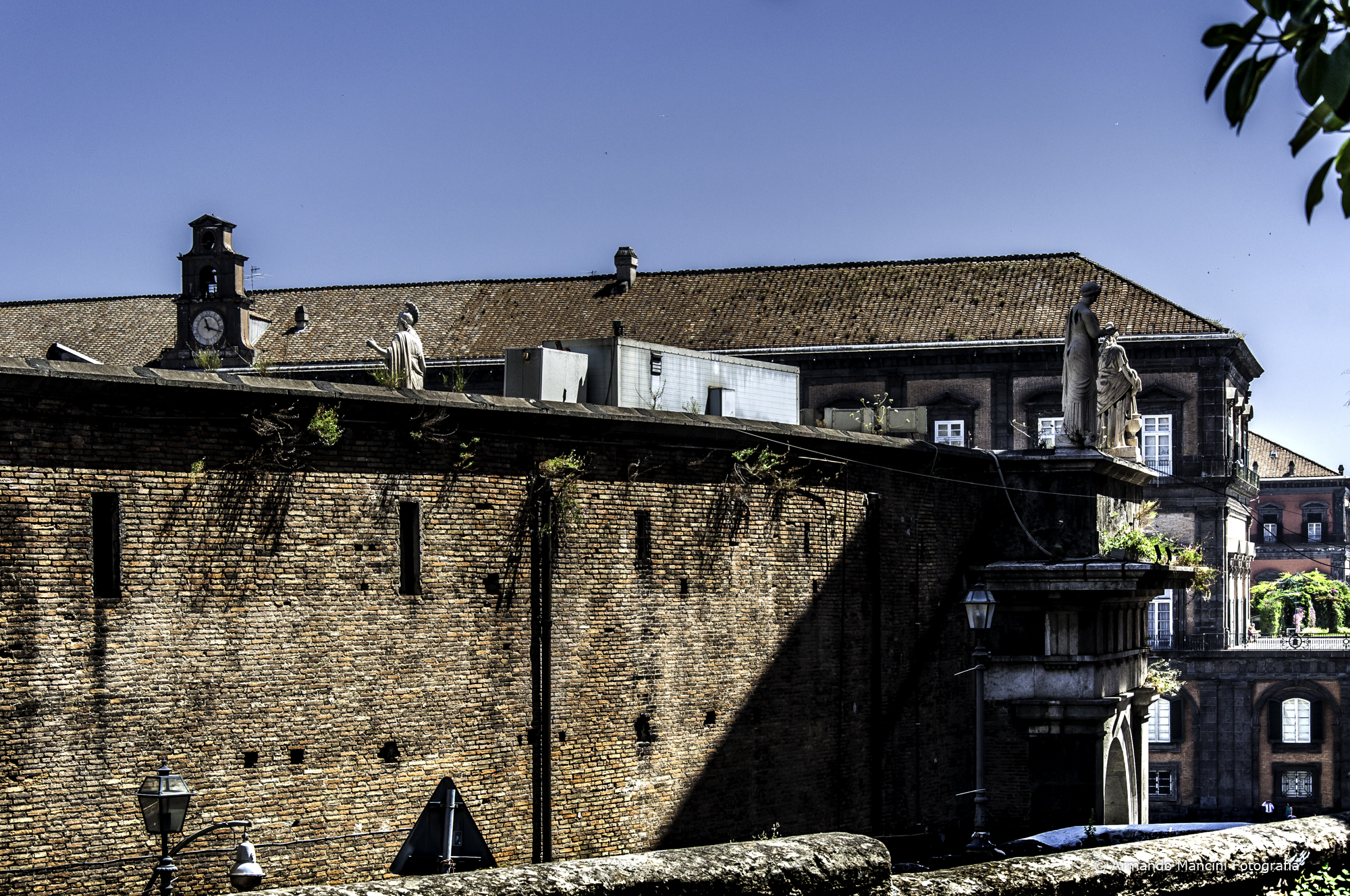
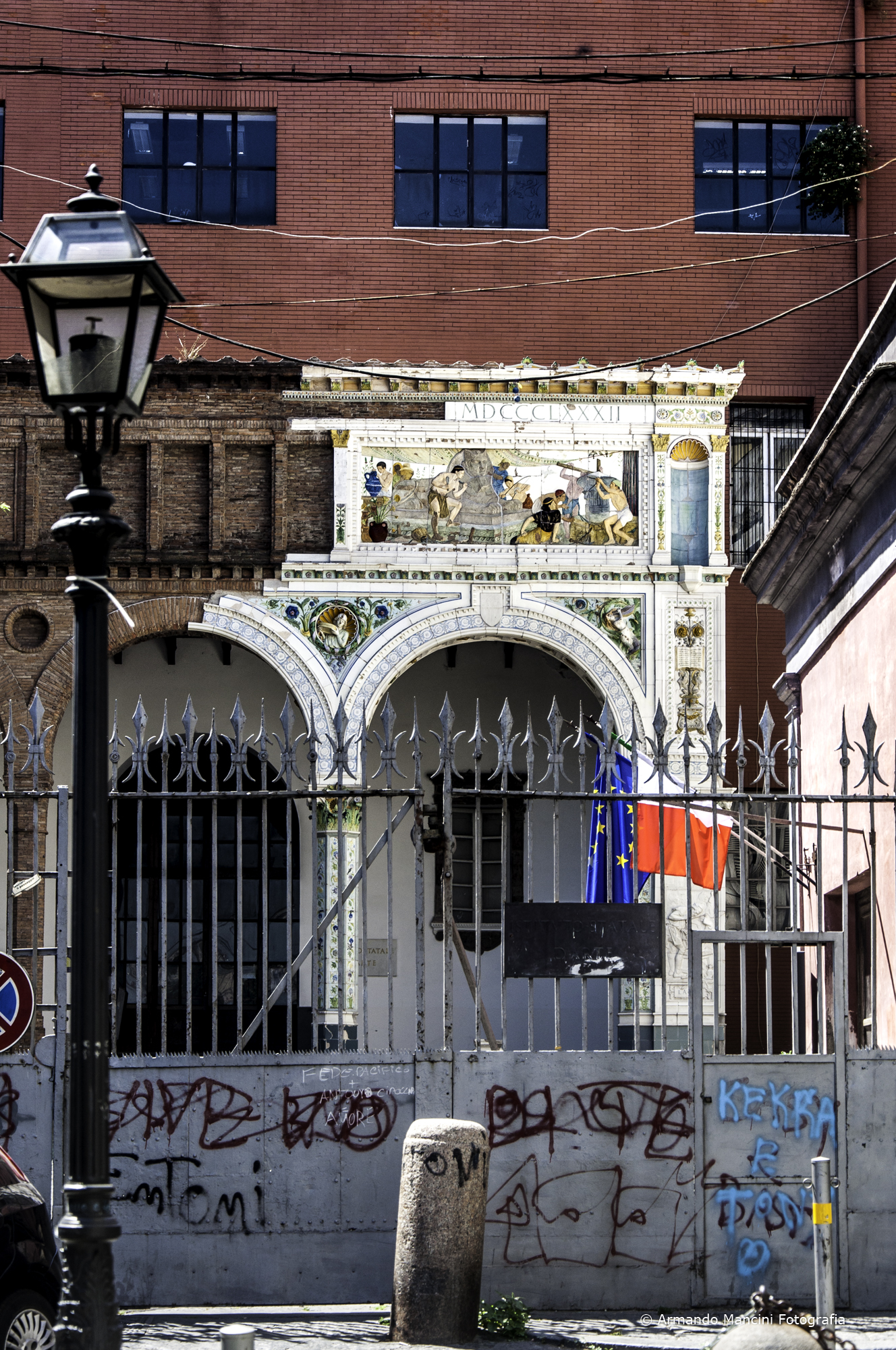
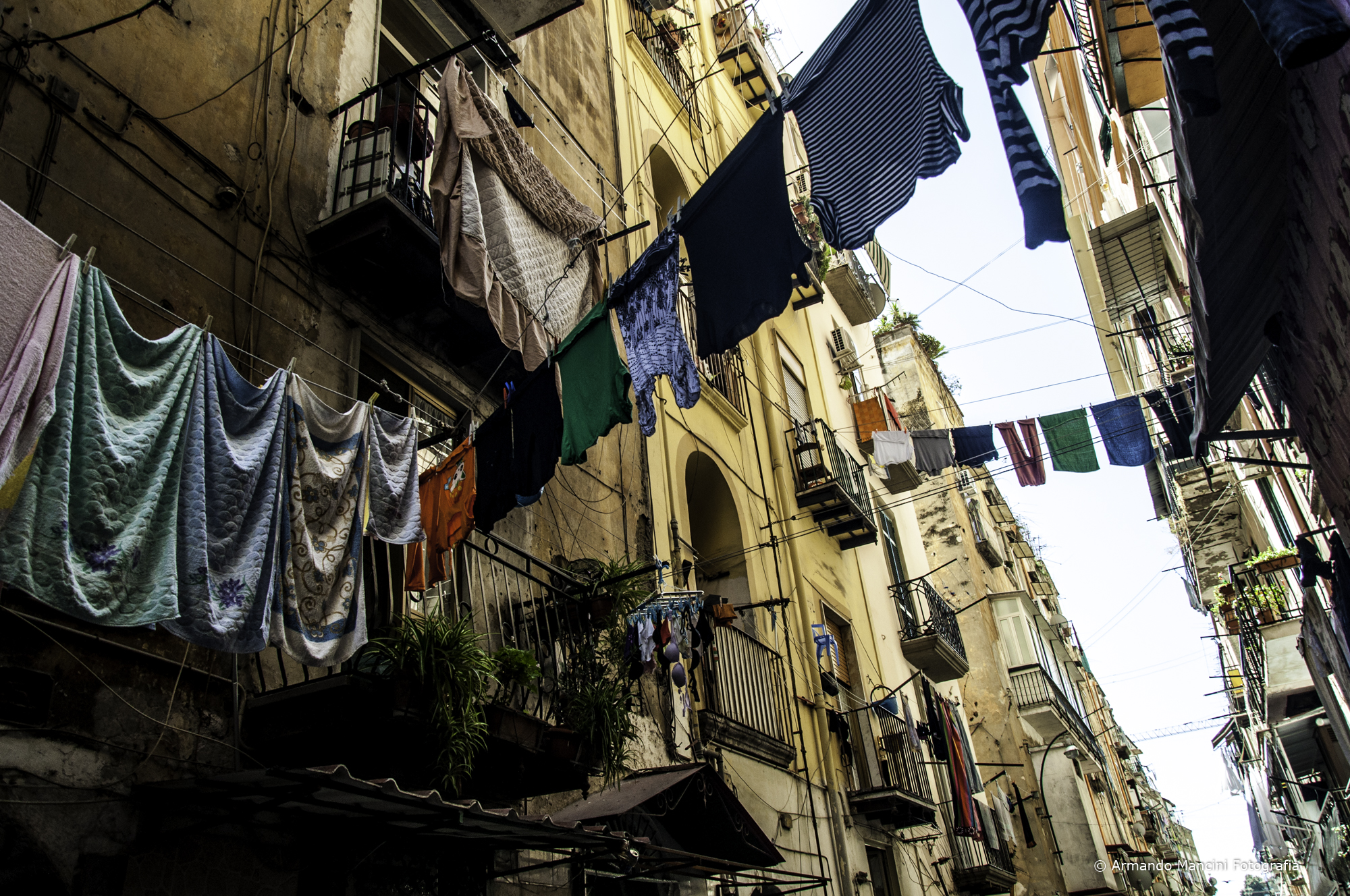
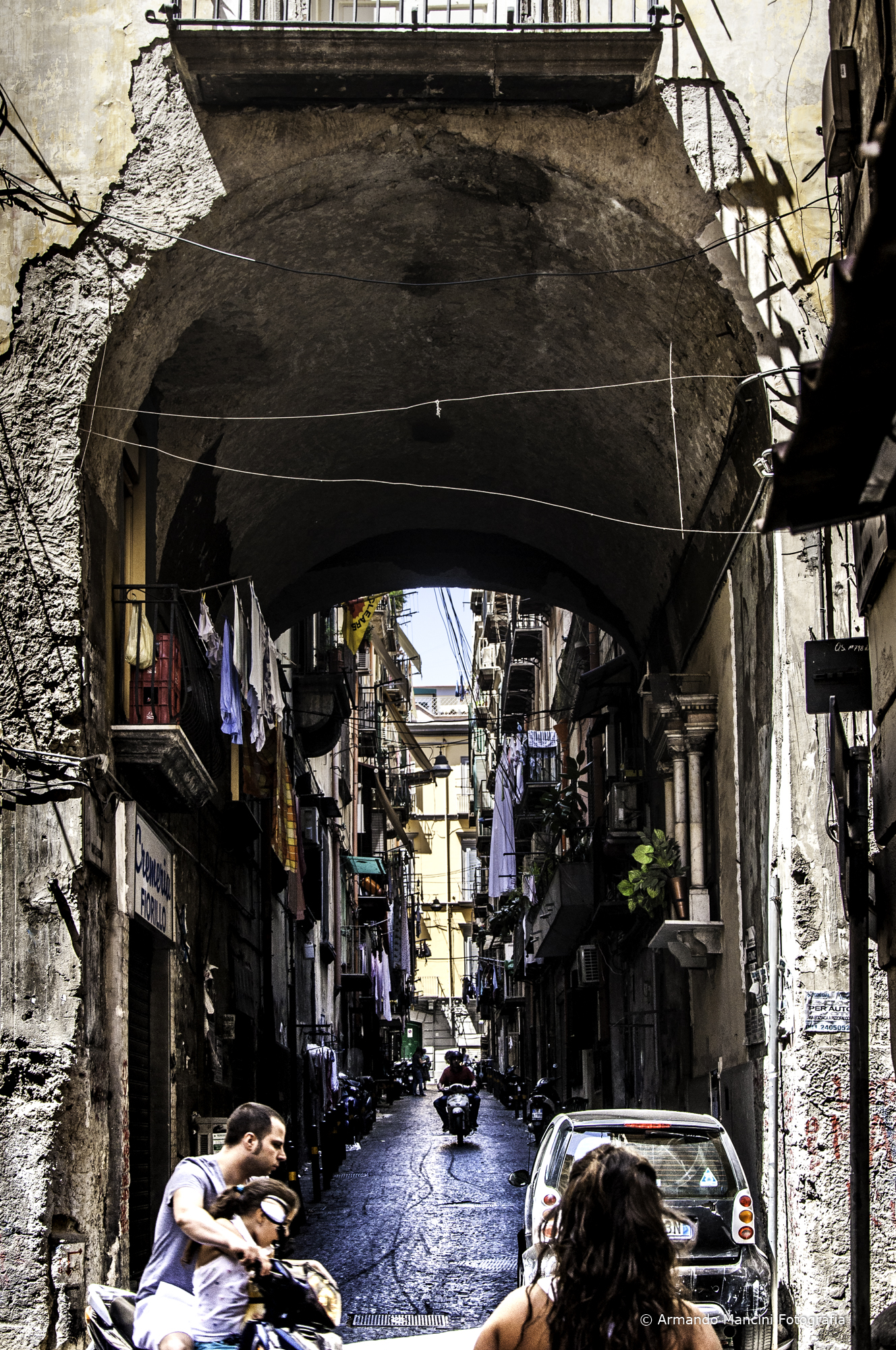
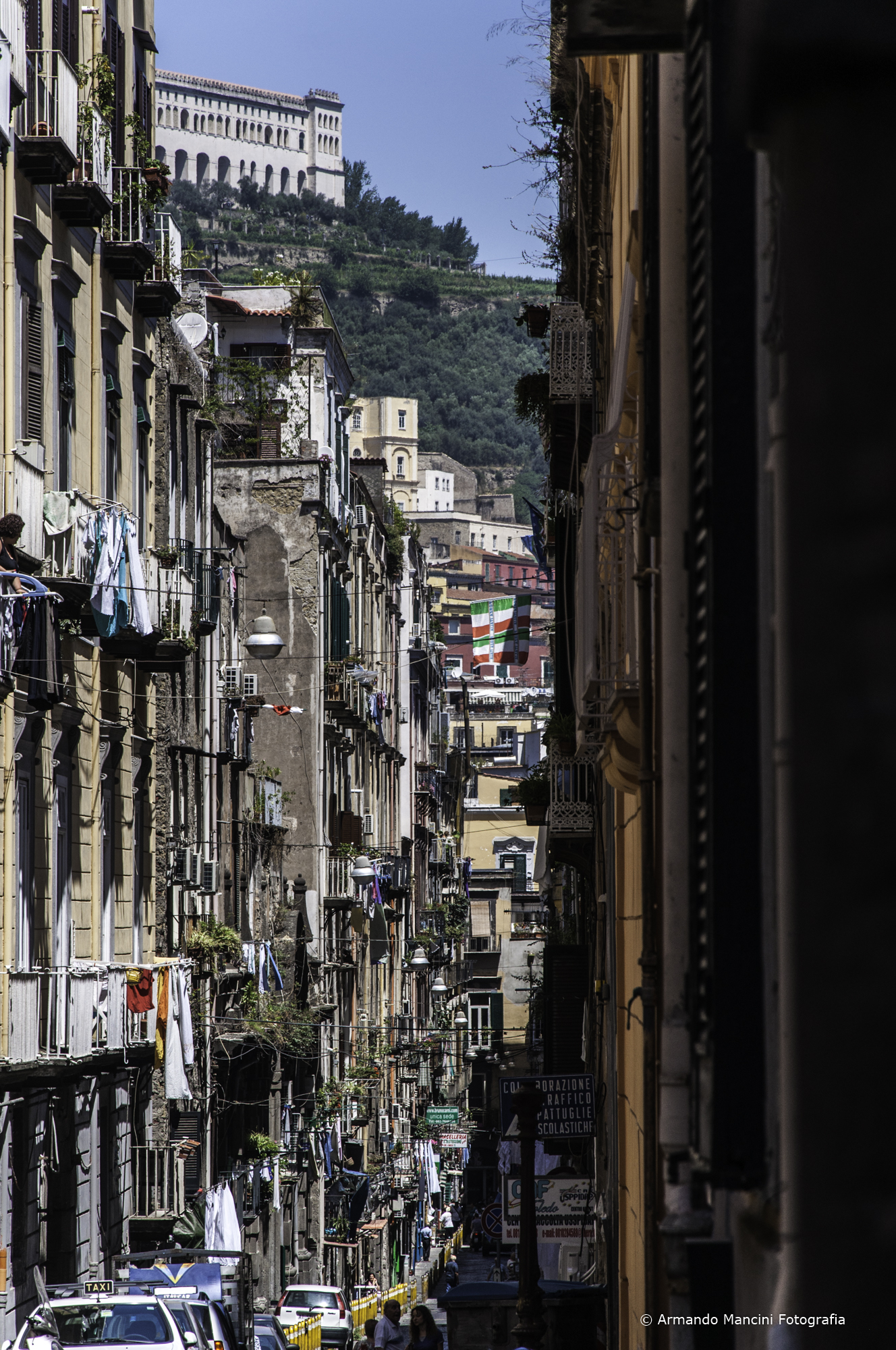
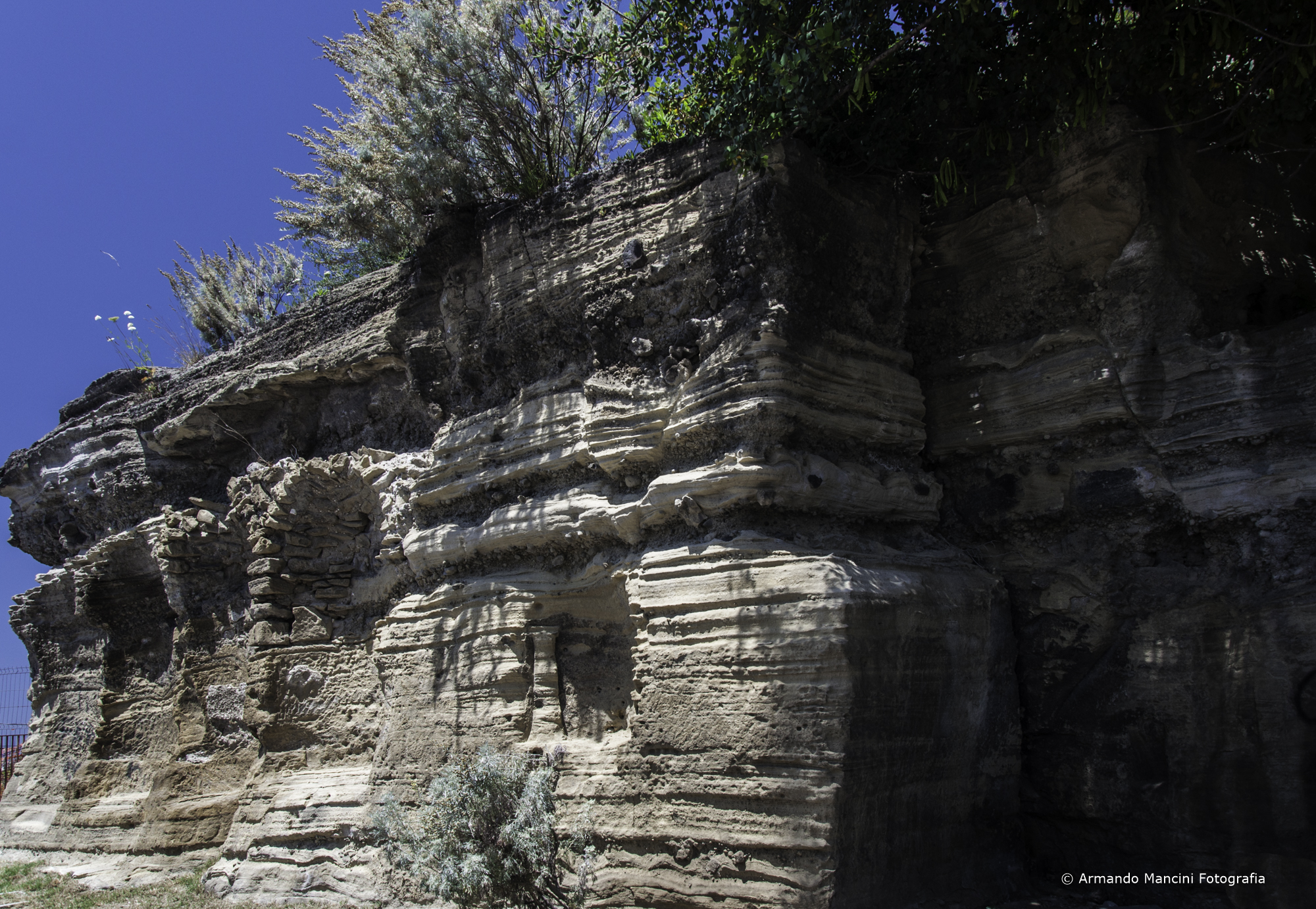
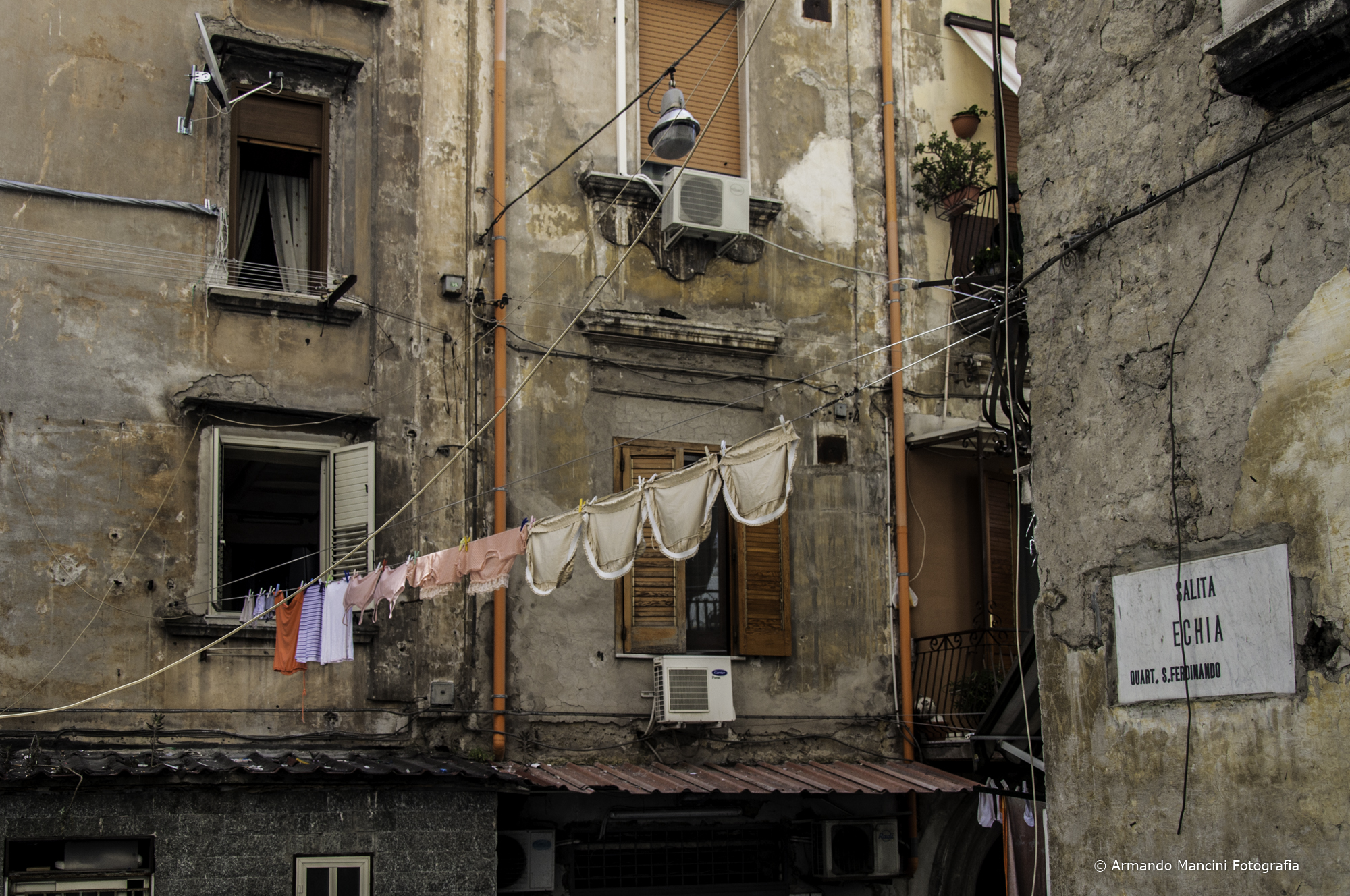
In Naples, right next to its most famous square, Piazza del Plebiscito—which the local folk affectionately call “mmiézzo palazzo” (in the middle of the Palace) because of the majestic Royal Palace overlooking it—there lies a world of narrow streets and alleys that climb up the small hill of Monte Echia, also known as Pizzofalcone. This is the very spot where the ancient city of Parthenope was born.
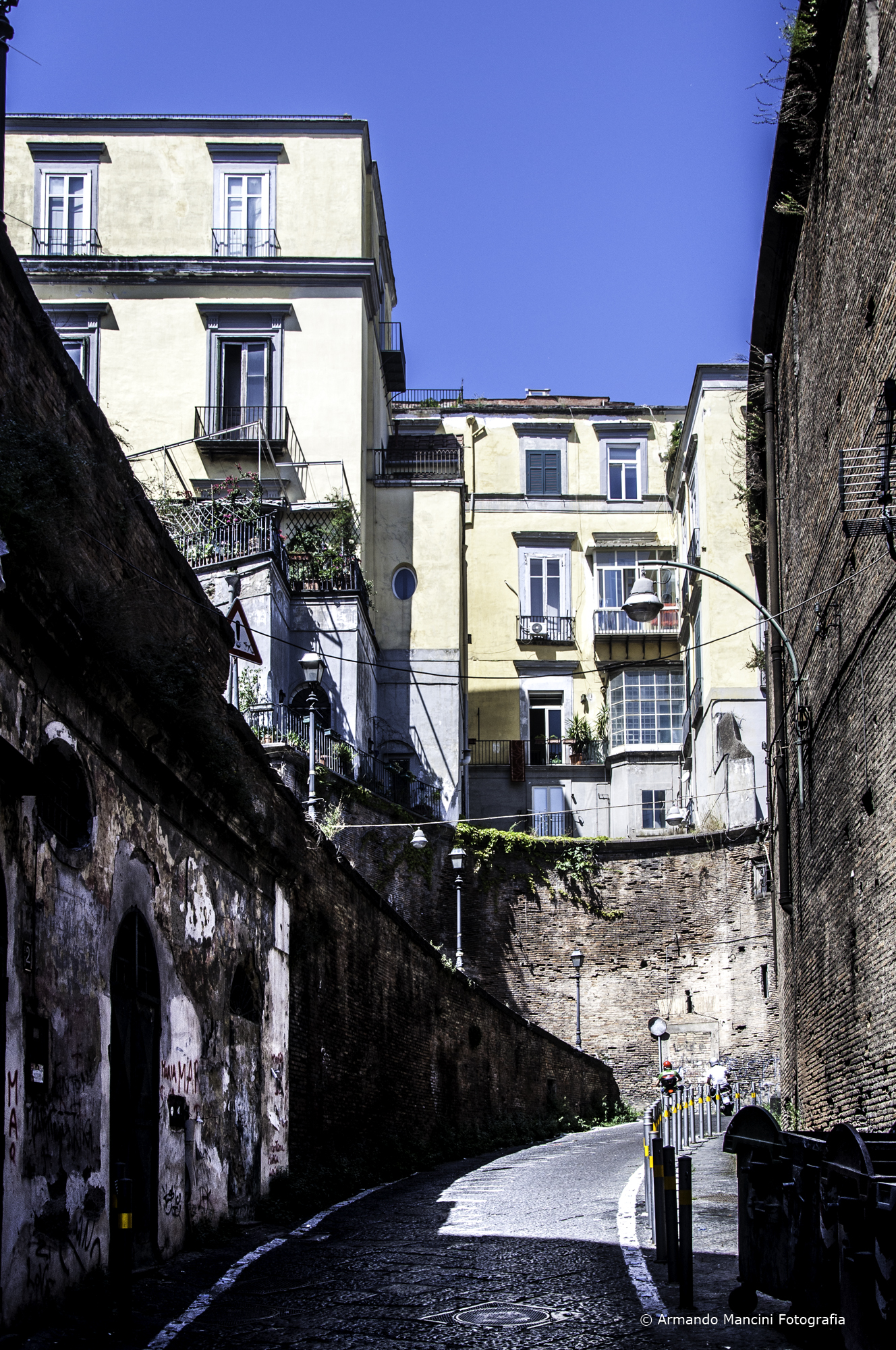
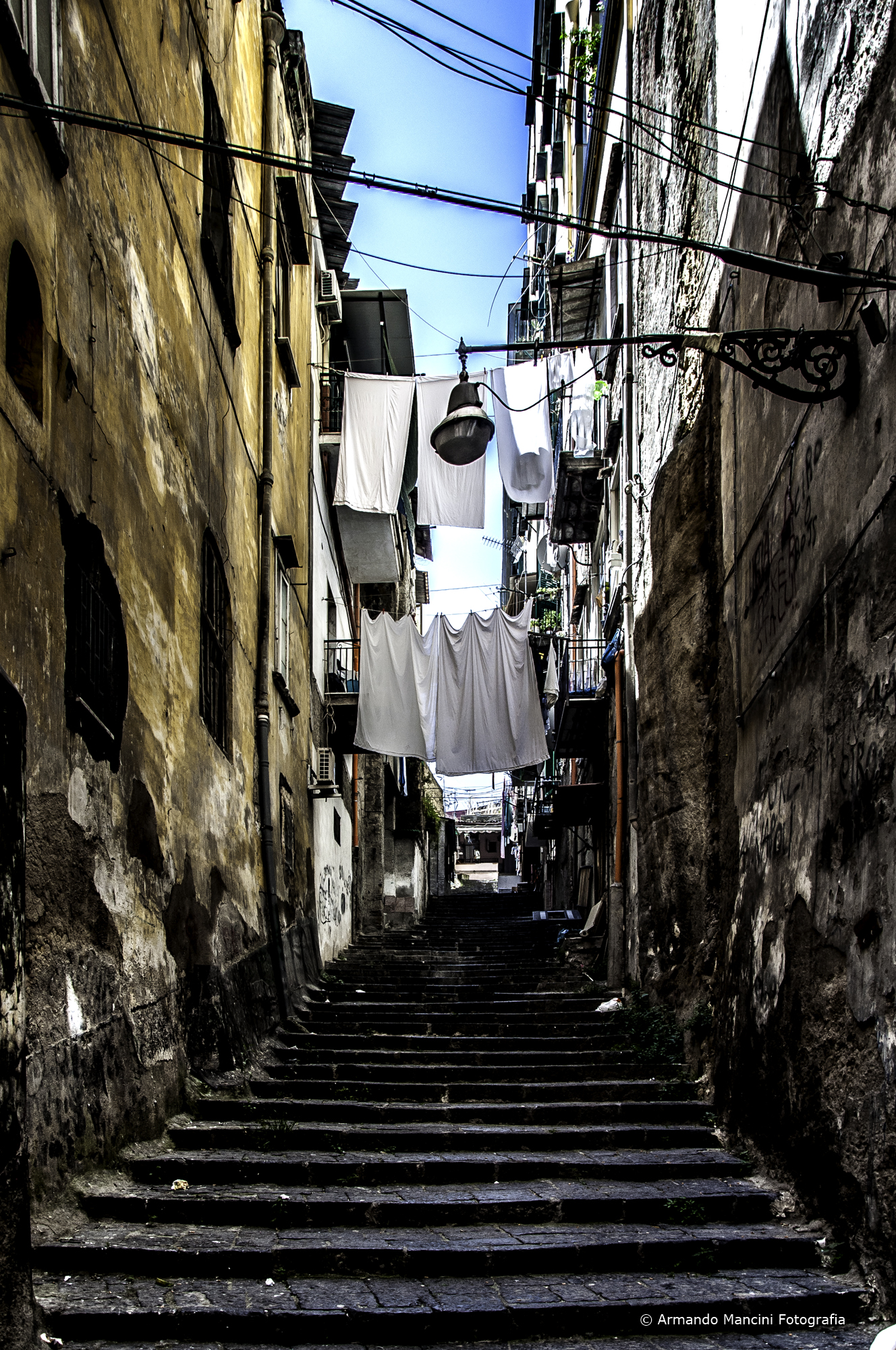
The path begins with the Rampe della Paggeria, leading to Piazzetta Salazar, continuing through Via della Solitaria, crossing Via dell’Egiziaca a Pizzofalcone, and finally reaching Via Monte di Dio via the Supportico d’Astuti. This was my habitat as a boy; I lived right there, in Via Supportico d’Astuti.
In the 1960s, when I was about fourteen, I attended the “Italia” Rowing and Sailing Club as a junior rower, thanks to free programs promoted by the schools. It was a hard life, considering the grueling hours and the physical toll, but I loved rowing. It allowed me to be in constant contact with the sea—an element that has always fascinated and drawn me. Most likely, I could never have lived, and still couldn’t today, in a place without the sea.
I frequented the “Italia” Club until I reached maturity. At the threshold of transitioning from a junior to a senior rower, I had to make a choice: to continue without paying a membership fee, I would have had to join the competitive racing sector. As much as I loved the sport, it clearly wasn’t my future.
And so, on my first morning as a “former” rower, I did exactly what I had done every day before. Like every morning back then, I left the house while it was still dark. I closed the small building door behind me and, under the dim light of the streetlamps—smothered and veiled by the dawn’s humidity—I set off along the usual route. I walked through the Supportico and then all of Via della Solitaria, until the very end where I turned toward the Pallonetto di Santa Lucia.
At that hour, many of the bassi (street-level homes) and shops I passed were already buzzing with life. The salt-cod shop (baccaleria) was lit up, and Don Pasquale, in his waterproof apron and heavy wooden clogs, was already preparing the vats to soak the stockfish or the large fillets of mussillo and salt-cod, which he would later sell in thick cuts. Don Ferdinando, meanwhile, had just arrived in his Fiat 500 Belvedere; he was pulling up the shutter of his tiny cobbler’s shop where he repaired the neighborhood’s shoes or custom-made ones for “difficult” feet. In quiet moments, he used his car for deliveries and transport; my family, for instance, would book him every August to move our belongings for the summer holidays—a yearly trip from Naples to Sorrento and back.
A little further down, the scent of warm, freshly baked bread wafted from Nunziatina the baker’s shop. A bit plump, with a white cap over her perfectly tidy dark hair, she was arranging the first loaves, making sure the smaller pieces—like the marsigliesi flutes or white palatelle—went onto the glass shelves of the counter display. Behind her, on marble shelves, lay the larger loaves: the palatoni and rings of white or dark bread. Her husband, Don Vincenzo, still dusted with flour, shuttled back and forth from the wood-fired oven in the back with a wooden tray (spasella) full of steaming bread. That intense, enveloping fragrance stayed with me for a long stretch.
Don Antonio, the greengrocer, was also at work. Together with his son Ciro, he was unloading a motorbike fresh from the market. Crates and baskets of fruit and vegetables, still damp with dew, were being carried inside or set upon slanted benches. Sometimes I’d see Don Antonio hunched over crates of apples, picking them up one by one, examining them, choosing the most beautiful ones to wipe and polish before gently placing them in a wicker basket: those he sold as “Snow White’s apples.”
Along the street of the Pallonetto, many bassi showed lit interiors. Shadows could be seen through windows strictly protected by curtains; voices leaked out, as did the crying of children. Generally, only the basso of Carmela ‘a capera (the hair-dresser) was already open. Her chair and small table with a mirror, combs, and brushes were already set outside. Her work would soon begin; all the women in the neighborhood loved having their hair done by Carmela—not for her skill, but for what the term capera means in Naples: a “gossip.” Carmela was often called to the homes of the upper-middle class, making her a “special envoy” into a world closed off to the common folk. Real or fictionalized, the lives of those mansions were dissected for her clients in the basso, always wrapped in an aura of mystery or “revealed secrets.” My mother told me Carmela was also called for de-lousing, a thought that made my head itch instantly. Her husband Gennaro, on the other hand, was a door-to-door barber—a Figaro of the quarters—who also performed bloodletting with leeches for those suffering from high blood pressure. I remember being shocked witnessing my grandfather’s bloodletting when I was barely six years old.
The constant scent of freshly made coffee accompanied my crossing of the Pallonetto. This fragrance vanished when finally, after the last flight of stairs, I emerged onto Via Santa Lucia. There, the warm, aromatic smell of coffee gave way to the salty, fresh scent of the sea. As I approached Via Partenope, it grew more intense, joined by the sea’s voice—sweet and powerful all at once. I crossed the deserted street and stood on the sidewalk hugging the water.
I could hear the voices from the nautical clubs of the Borgo. I quickened my pace toward Piazza Vittoria. That morning, the sea was good for rowing: calm, etched only by a light breeze. Beyond Castel dell’Ovo, I could see the first rowing crews heading out for their training session. In the light of dawn, they appeared as dark, swift silhouettes gliding over the water to the rhythm of synchronized strokes that lifted only tiny splashes—almost like delicate caresses. The breeze carried the clear voices of the coxswains calling out the stroke timing. It was a spectacle I had usually experienced from within the boat as a protagonist, but that morning, I lived it as a spectator.
The streetlights flickered off, and the glow on the horizon grew brighter. On the horizon line sat Vesuvius, Mount Somma, and the entire coastline. I stopped and sat on the stone parapet. I couldn’t miss the sun rising right there, from behind Vesuvius. What a sight. To tell it, one would have to paint it—and that morning, I painted it in my heart, indelibly. I would carry those colors in my memories forever, no matter where I went or where I stayed.